
September 02, 2026
Where the Right Conversation Can Change Everything
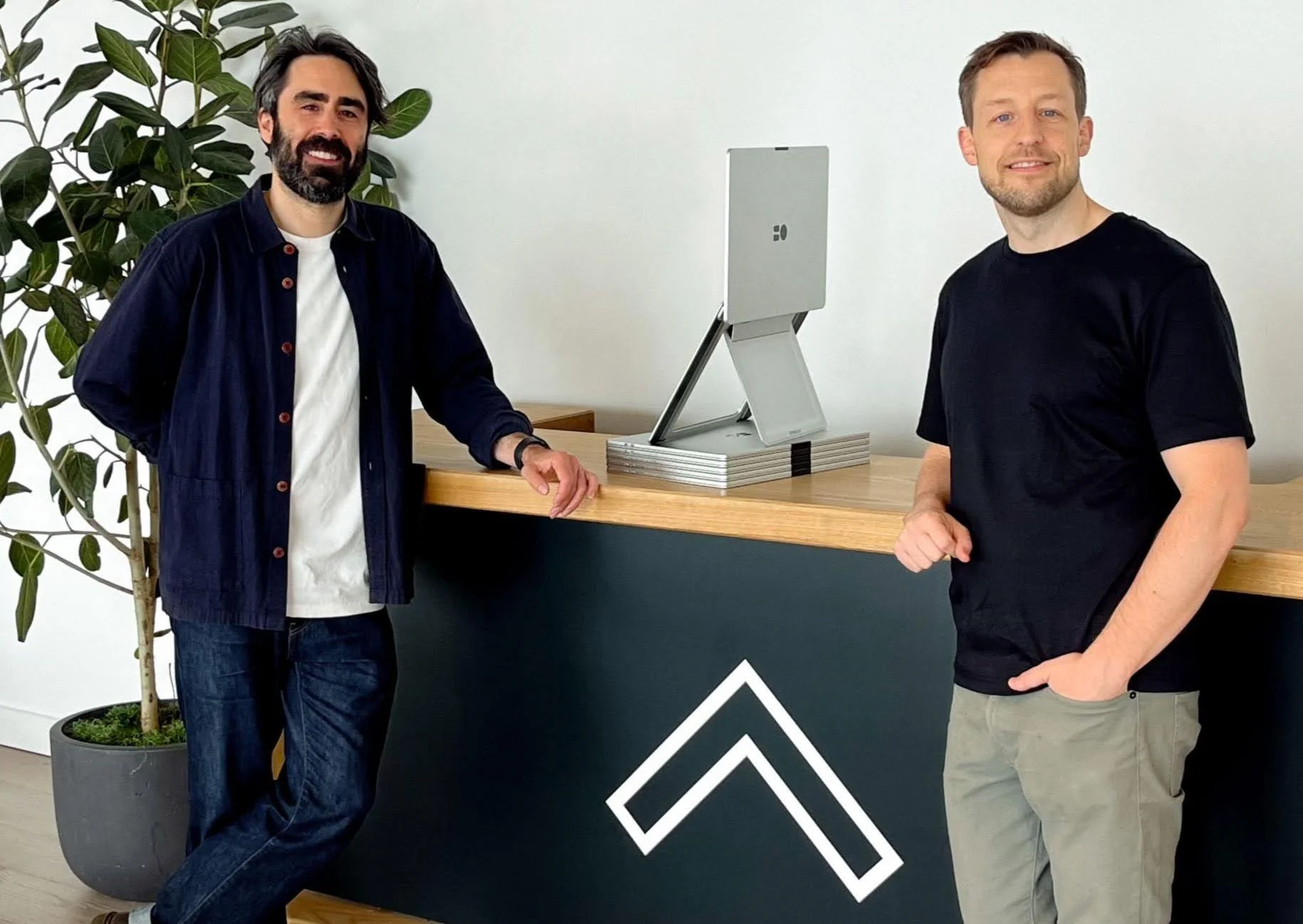
Matt Harris: Creative Director, Mission CreativeErik Rehbinder: Founder, StandoutMatt Harris and Erik Rehbinder came to SHACK15 from very different corners of the creative and entrepreneurial world.
Matt is the co-founder of Mission Creative, a brand and design consultancy with teams in San Francisco and London. After more than 20 years in brand identity design, working with companies including Apple, Microsoft, Adobe and Facebook, he co-founded Mission to help ambitious companies navigate moments of growth and change. SHACK15 has since become the consultancy’s San Francisco home base.
Erik is the Norwegian founder of Standout, a hardware startup rethinking the mobile display for modern, flexible work. He began developing the idea in 2024, taking it from early 3D-printed concepts toward a physical product, and joined SHACK15 after first visiting the Ferry Building later that year.
Their paths crossed at SHACK15 in June 2025, when Erik returned to San Francisco with Standout’s first demo-ready aluminium prototype. A chance conversation between the two quickly revealed a shared perspective on design, craft and the way we work today. What began informally at SHACK15 soon developed into a creative partnership, one that would shape Standout’s brand and product as it moved toward launch and, eventually, the global stage.
We sat down with Erik and Matt to hear how it happened.
SHACK15: Let’s start at the beginning. How did the two of you meet?
Erik Rehbinder:
It really did start with a simple conversation at SHACK15. We were working on an early version of Standout, and Matt saw what we were doing and asked something along the lines of, “That looks interesting, what are you working on?” We started talking about the product, design, and the way people work today. It quickly became clear that we shared a similar appreciation for craft and simplicity.
Matt Harris:
It was completely organic.
There wasn’t a pitch or a formal introduction. I was curious about what Erik was building; we started talking, and one conversation led to another. That’s one of the things I appreciate about SHACK15. You can be sitting down doing your own work and suddenly find yourself in a conversation with someone building something genuinely interesting.
SHACK15: Erik, what were you building at the time?
Erik:
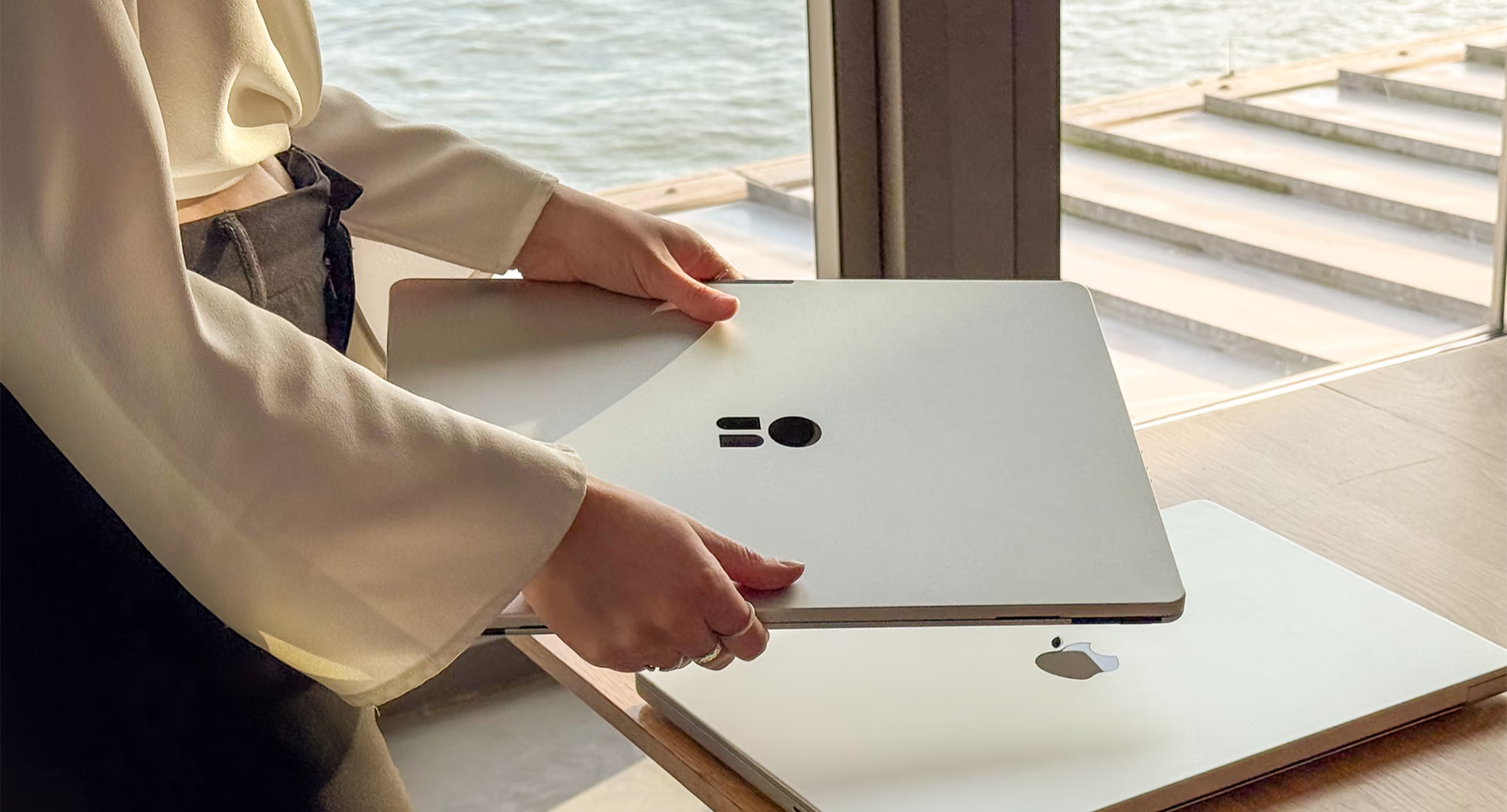
Standout started with a fairly simple observation: the way we work has changed, but much of the equipment we use hasn’t really adapted with us. A lot of professionals move constantly between offices, airports, hotels, homes, and shared spaces. We wanted to create a premium mobile display that could move just as easily. Something particularly thoughtful for people working with a MacBook, but designed around a much broader shift toward flexible work. By the time Matt and I met, we had a promising product direction. What we needed was a brand and identity that felt as considered as the hardware.
SHACK15: Matt, what did you see in Standout that made you want to get involved?
Matt:
There was a clarity to the idea that I found compelling. Standout wasn't trying to add more complexity to people's working lives. It was trying to remove friction. That naturally created an interesting design challenge: how do you build a brand around something that is fundamentally about simplicity, mobility, and focus? There was also an opportunity to develop the product and brand together rather than treating branding as something you apply at the end.
SHACK15: How did SHACK15 factor into the collaboration once you started working together?
Erik:
It became part of the process. We could put prototypes on a table, discuss materials or packaging, and get immediate reactions. Sometimes other founders or members would see what we were doing and join the conversation. There’s something valuable about that kind of proximity. Feedback doesn't always need to be a formal meeting scheduled two weeks in advance. Sometimes somebody walks past, asks a good question, and suddenly you're looking at the problem differently.
Matt:
In some ways, SHACK15 became an extension of the studio. Ideas were discussed over coffee. Prototypes were passed around. Conversations could continue naturally rather than being confined to a scheduled video call. For creative work, that matters. Environment influences output more than we sometimes acknowledge.
SHACK15: You then set yourselves a fairly ambitious challenge, developing the core identity in four weeks. What was that process like?
Matt:
Fast. We had a senior team, a clear ambition, and a very focused period in which to work. At the same time, the Standout team was dealing with engineering and manufacturing decisions, so the brand couldn't exist separately from the physical product. The work was also happening internationally. We were developing the identity across San Francisco and London while the Standout team was spending time in Shenzhen working with manufacturing partners. That meant decisions around materials, finishes, packaging, and identity were happening in parallel.
SHACK15: You describe the resulting design philosophy as “thoughtful reduction.” What does that mean?
Matt:
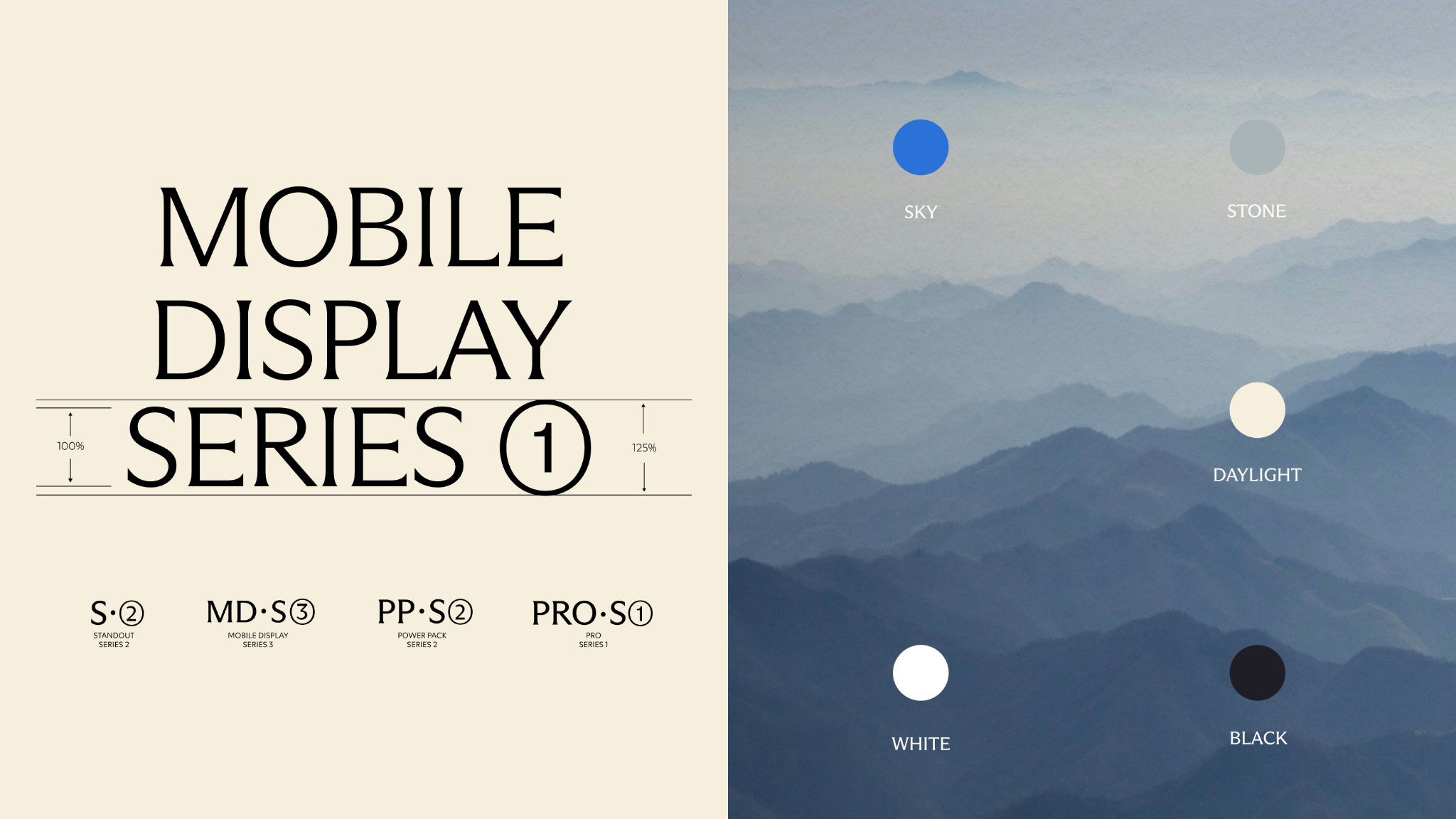
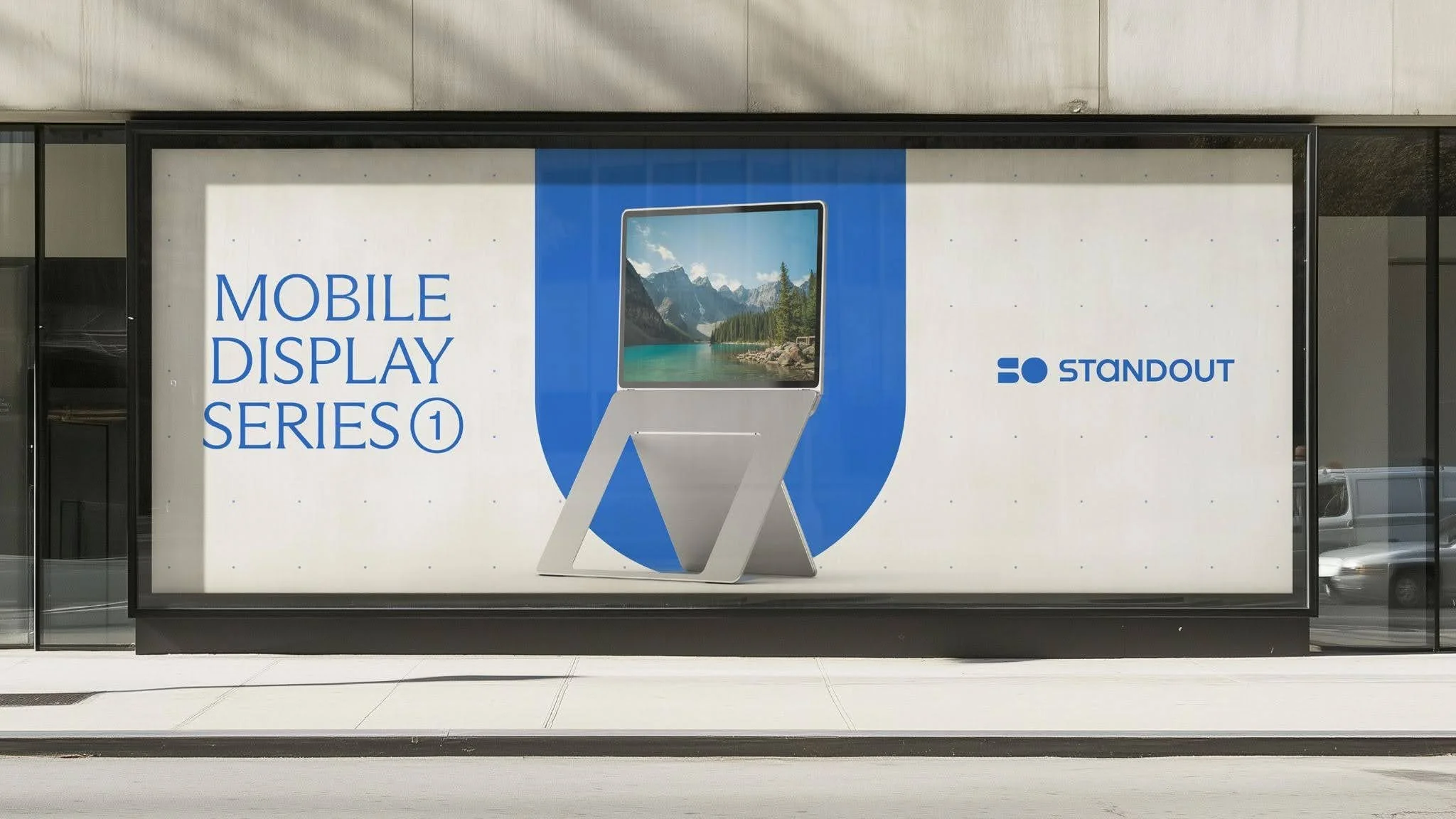
Essentially, it means asking what can be removed rather than what can be added. The identity is intentionally restrained: a custom wordmark, refined typography, a focused color palette, and a dot-matrix graphic language derived from the geometry of the logo. The same thinking carries into the packaging and the product itself. The goal wasn't decoration. It was coherence. When the brand, product, and packaging are developed together, each decision can reinforce the same idea.
SHACK15: Erik, what was it like developing the physical product while the identity was taking shape?
Erik:
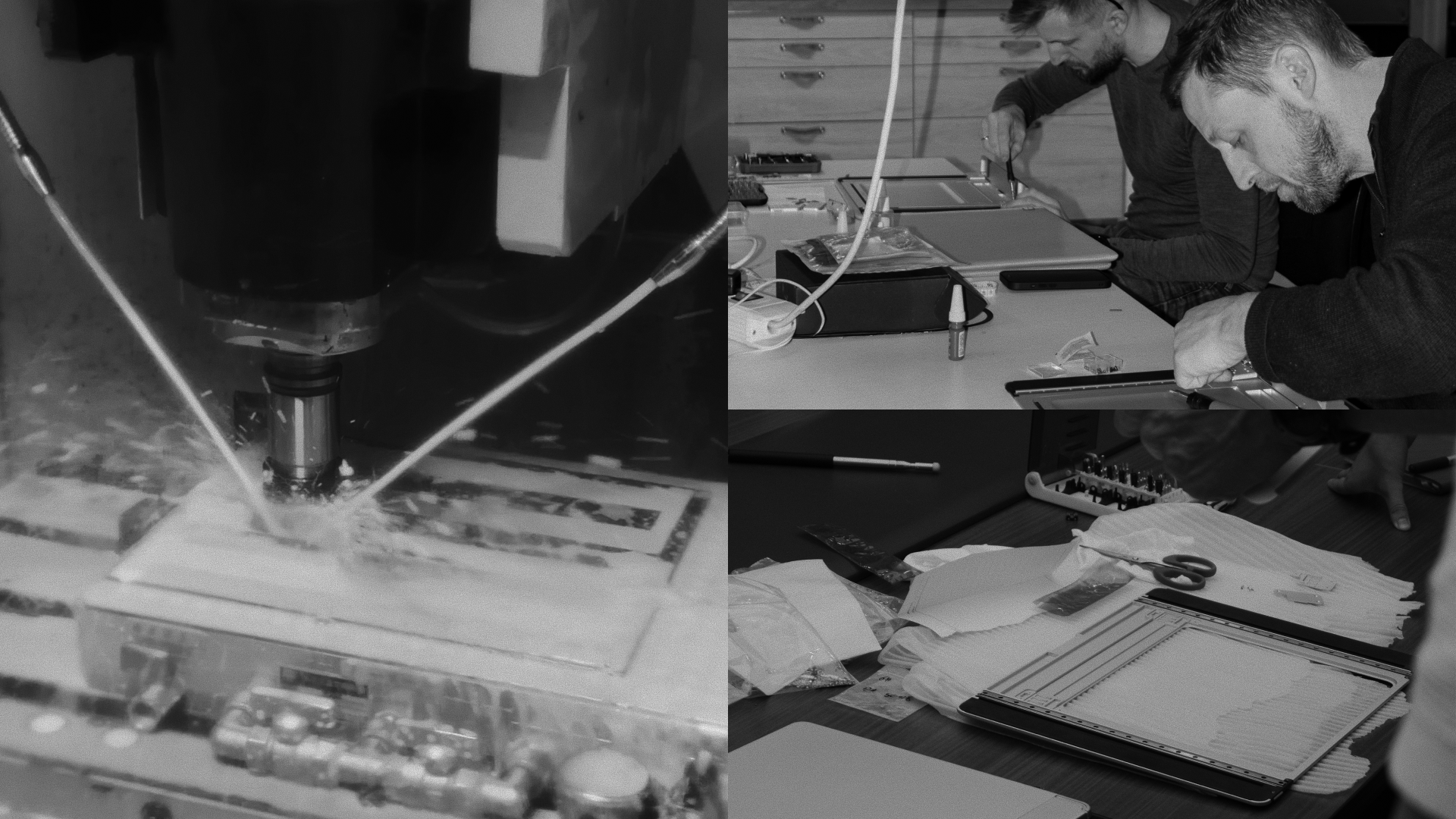
Intense, but incredibly useful. With hardware, design decisions eventually have to become physical decisions.
Materials have to work. Finishes have to be manufacturable. Packaging has to protect the product while still delivering the right experience. Having those conversations alongside the brand development meant we weren't creating two separate things and trying to connect them later. The aim was for someone to encounter Standout, from the packaging to the display itself, and feel that it all came from the same point of view.
SHACK15: The product eventually made its way to CES in Las Vegas. What did that moment mean for you?
Erik:
CES was an important milestone because suddenly the product wasn't something we had just been discussing internally. People could actually experience it. Seeing reactions from people in the industry and from potential customers gave us useful validation and helped us understand which parts of the product resonated most strongly. It was also one of those moments where you look back at everything that had happened, from San Francisco to Shenzhen and all the iterations along the way, and realize how far the idea had traveled.
SHACK15: The relationship with SHACK15 also evolved beyond simply being the place where you met.
Erik:
Yes. SHACK15 Ventures ultimately invested in Standout, which added another dimension to the relationship. For us, what's been valuable is that the connection wasn't limited to capital. The community itself has been part of the journey through conversations, feedback, and relationships.
SHACK15: Matt, you've said the design industry has spent years trying to earn a stronger place in the boardroom. Did this project feel different?
Matt:
It did, because design was part of the conversation very early. For as long as I can remember, the design industry has been trying to secure its rightful place in the boardroom. In this case, it started with a simple question. There was no big pitch. No lengthy procurement process. It began with curiosity about what somebody sitting nearby was building.
SHACK15: Finally, what do you think this experience says about the value of working around other founders and creatives?
Erik:
You can't manufacture every useful connection. You can create the conditions for them, though. Being around people who are building, designing, investing, and thinking about interesting problems increases the chances that a conversation leads somewhere unexpected.
Matt:
I think that's exactly it. We spend so much time optimizing our calendars and scheduling interactions that it's easy to underestimate the value of simply being in the same room. Sometimes the most valuable conversation of the day is the one that wasn't on your calendar.
SHACK15: What's next for Standout and any closing thoughts?
Erik:
We just started shipping our very first edition, limited to 100 units. A meaningful share went to fellow SHACK15 members - some of whom pre-ordered nearly a year ago. The design and feature set owe a great deal to the feedback we gathered while working out of the Ferry Building. The fundamentals are now in place, and we're ready to scale a proven product across the US and beyond.
Matt:
It’s been an incredible ride towards the launch of the Standout Display, and we can’t wait to see where things go from here. The team now has a strong brand foundation, a clear purpose and identity system that will enable the brand to scale and grow. Erik Rehbinder and the team are already making waves with the release of their new product and we're super proud to have helped them bring this vision to life!
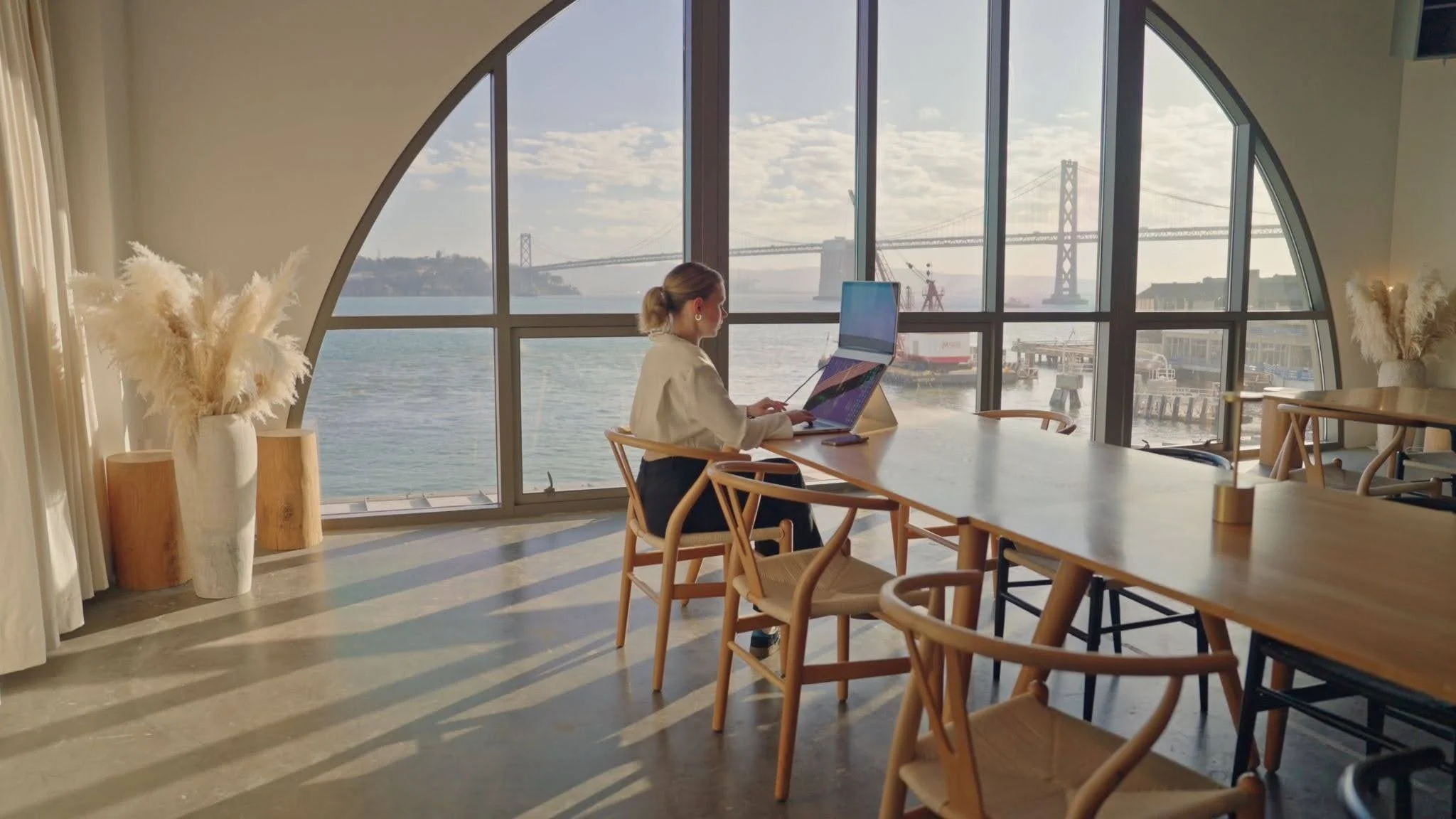
Standout is a hardware startup developing premium mobile displays for modern, flexible work. Mission Creative is a creative consultancy with teams in San Francisco and London, working with organizations on brand, design, and growth. Both Erik Rehbinder and Matt Harris are members of the SHACK15 community.