
MAY 8, 2026
Sean Devine is rethinking how teams handle truth
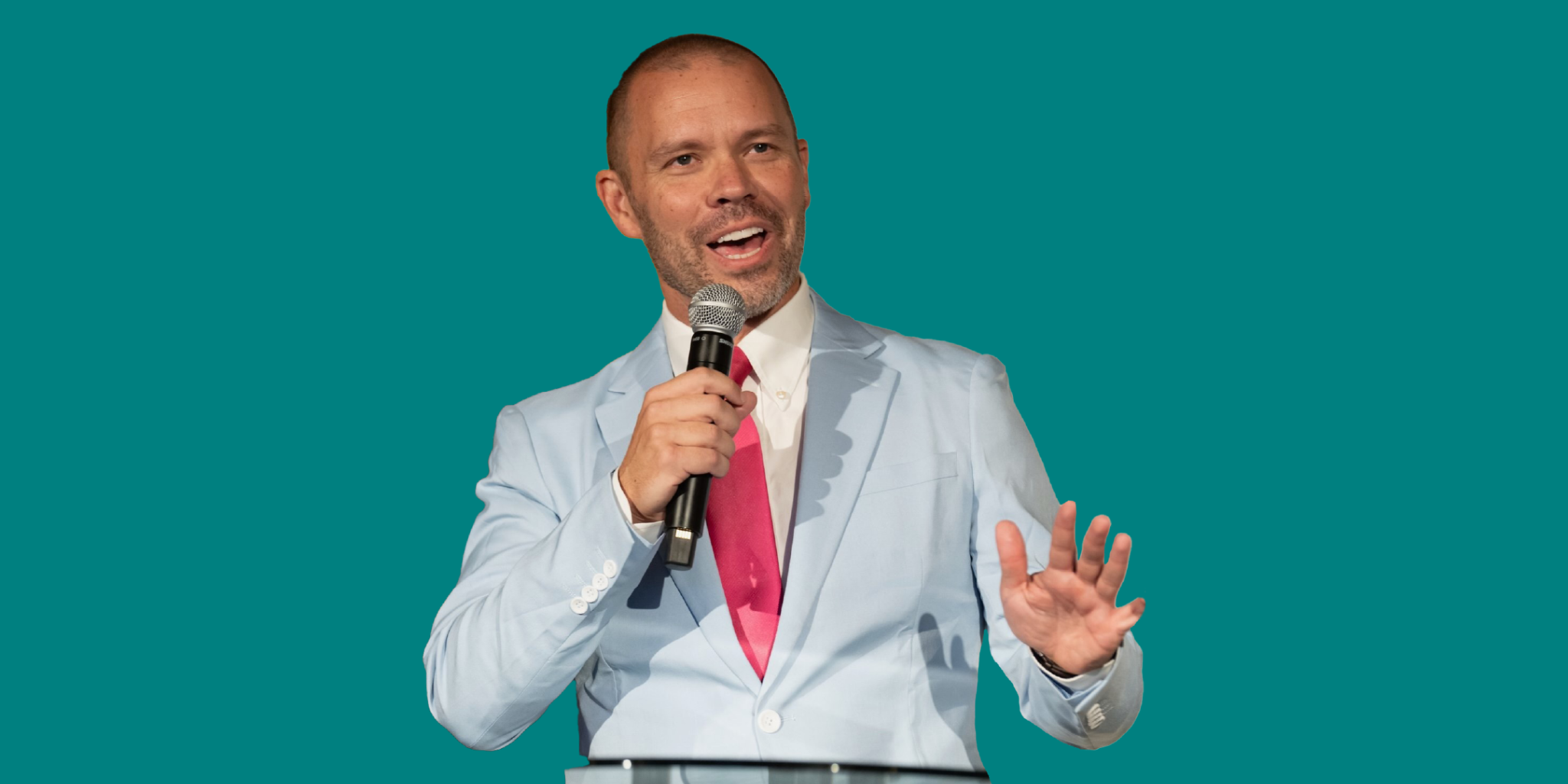
The SHACK15 Journal spoke with member Sean Devine, founder of the Dionysus Program, a set of practices designed to help organizations metabolize error without eroding trust. Over a career spanning operations, logistics, and software, Sean has built and scaled companies across industries, including a profitable construction logistics platform developed without venture backing. His work blends systems thinking with philosophical influence, offering a new approach to one of the oldest challenges in organizational life: how to let ideas fail without letting people fall with them.
SHACK15: You’ve worked across many different spaces—can you tell us about them and what led you to start building the Dionysus Program?
Sean: I’ve spent my career doing a kind of deliberate de-specialization. I’ve worked in large public-company operations, pricing, procurement, strategy, logistics, freight, software, and then built XBE from scratch in construction logistics without prior industry experience or venture capital. Along the way I learned Lean Six Sigma in the Great Recession, built and sold a freight startup, taught myself to code, and then spent a decade building and scaling a profitable software company through growth, acquisitions, and integration. From the outside those look like different domains. From the inside, they were all the same problem: how do you turn contact with reality into better structure?
The Dionysus Program came out of noticing that optimization is necessary, but not sufficient. Apollo-style management can make the numbers move. I’ve seen that firsthand. But eventually you hit the human substrate: trust gets spent, people get guarded, truth gets delayed, and the system starts producing theater instead of learning. Then AI arrived and compressed the whole problem. Suddenly the real bottleneck wasn’t intelligence or tooling. It was whether a team could let old explanations die without turning the death of an idea into the humiliation of a person.
SHACK15: The program is all about challenging ideas without breaking relationships—what were you seeing in teams or orgs that made you feel like this was needed?
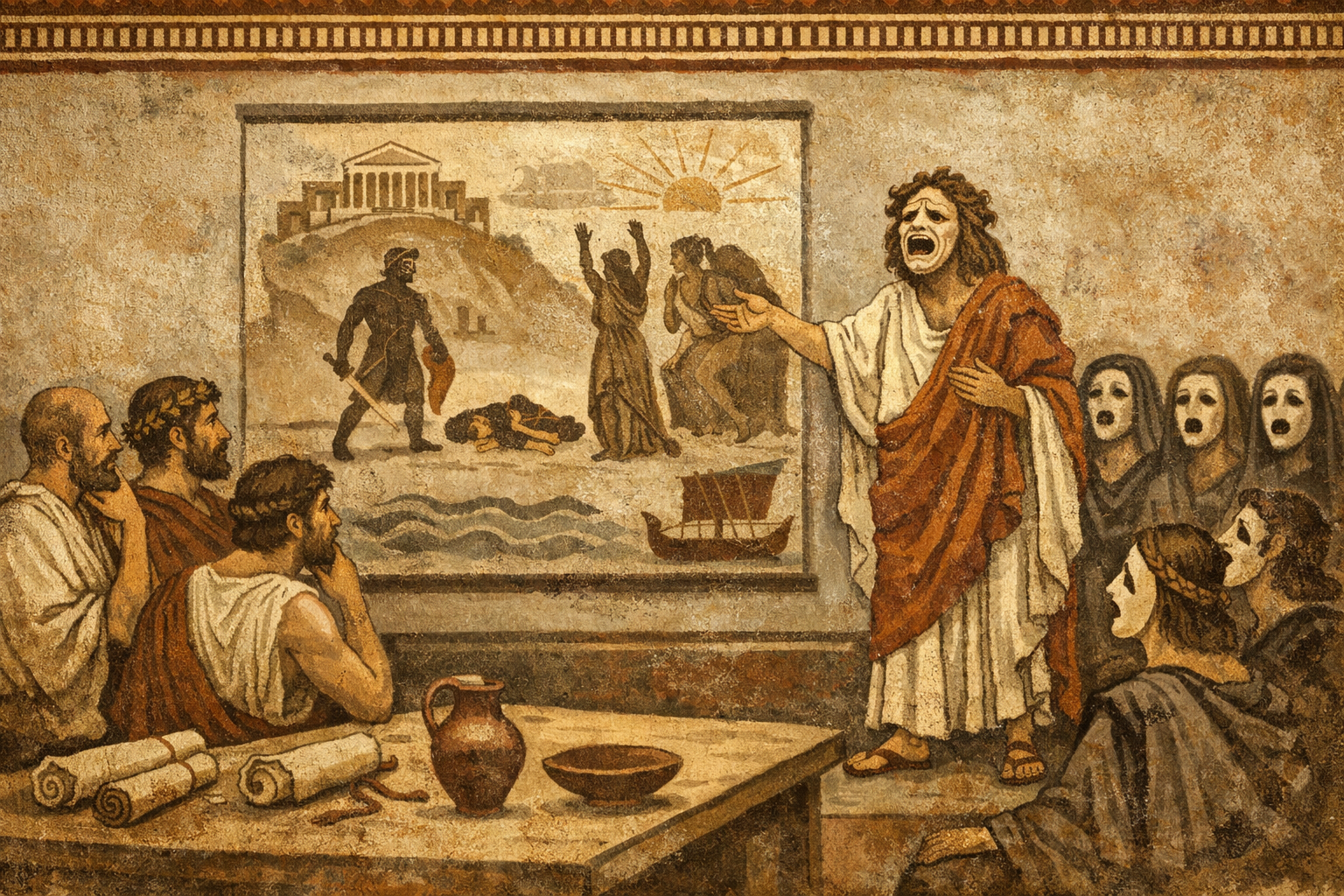
Sean: I kept seeing the same failure in different costumes. Some teams protected harmony so aggressively that nothing important could be said until it was too late. Other teams prided themselves on candor, but what they really had was licensed aggression. In one version, bad explanations linger forever because nobody wants the social cost of naming them. In the other, the explanation dies, but trust dies with it. Both are low-grade forms of organizational illiteracy.
What made the need feel urgent was seeing how often waste, delay, and dysfunction were not technical failures at all, but social bargains. People over-ordering trucks to protect production. Teams clinging to obsolete roles because admitting reality felt like self-erasure. Postmortems that were either blame sessions or empty liturgy. Once you see that, you realize most organizations don’t lack intelligence. They lack a lawful way to metabolize error. That is the hole Dionysus is trying to fill.
SHACK15: There’s a pretty strong mythological and philosophical thread in the work—how did that influence the way you shaped the program?
Sean: The mythology is not decoration. It is load-bearing. Nietzsche’s Apollo and Dionysus gave me the cleanest way to name a tension I’d lived for years: order and dissolution, clarity and melt, execution and renewal. Most organizations know how to worship Apollo. Very few know how to survive Dionysus. But if knowledge is moving fast enough, then dissolution is not optional. The only question is whether it happens consciously and humanely, or unconsciously and violently.
The philosophical influences helped me build the machine around that insight. Popper and Deutsch gave me the error-correction engine. Confucius gave me the distinction between ritual form and humaneness. Durkheim explained why breakdown in shared meaning is not just emotional, but structural. Girard clarified why groups under stress look for a victim. The old sources mattered because they understood something modern management often forgets: human beings are not inert material. If you want transformation without scapegoating, you need not just smarter procedures, but forms with moral weight.
SHACK15: For someone hearing about Dionysus for the first time, how would you explain what it actually does in practice?
In practice, the program creates a disciplined split between ordinary operating time (run time) and protected ritual time. In run time, you execute, measure, decide, and stay accountable to the work. In ritual time, you temporarily suspend performance scoring so the group can put an artifact on trial instead of a person: a strategy, a metric, a policy, a roadmap, an assumption. You run a Crossing. You run a tragic postmortem. You name the mistake, the reversal, the recognition, and the structural change. Then you close the rite, bind new commitments, and go back to work.
So it’s not a vibe and it’s not group therapy. It’s a set of forms for making public wrongness survivable. Weekly, that might mean one object gets attacked under a no-blame covenant and the team leaves with a clear commitment. At larger scale, it might mean retiring a dead process with honors, inviting external critics into a major review, or rotating stewardship so nobody becomes a permanent priest of culture. The simplest test is this: six months later, is it easier for the group to change its mind in public without breaking trust? If yes, it’s working.
SHACK15: How’s your experience been as a SHACK15 member so far? Anything that’s stood out?
Sean: My experience as a SHACK15 member has been great so far. What they get right is beauty and hospitality. The Ferry Building is an extraordinary setting, and the space has a real warmth to it. It makes meetings better because it makes it easier to be a good host. People arrive more open, less guarded, and the room starts working before anyone says a word. In the language of The Dionysus Program, beauty is a form of heat. It helps people settle, pay attention, and bring a little more of themselves into the conversation.
The hospitality matters too. One of the ideas in The Dionysus Program is that the best containers for truth feel less like assignments and more like gifts. When a space is generous, welcoming, and thoughtfully held, people are more inclined to reciprocate with candor, attention, and presence. SHACK15 has that quality. I’ve already met some great people, and I’m looking forward to meeting many more. I should especially mention Danielle Iannetta, SHACK15’s membership director. She made me feel welcome right away, and she’s been a model of the kind of person I hope to meet more of there: sharp, generous, and genuinely good at bringing people in.